
Power Cells
Creating reasons to stay instead of reasons to leave.

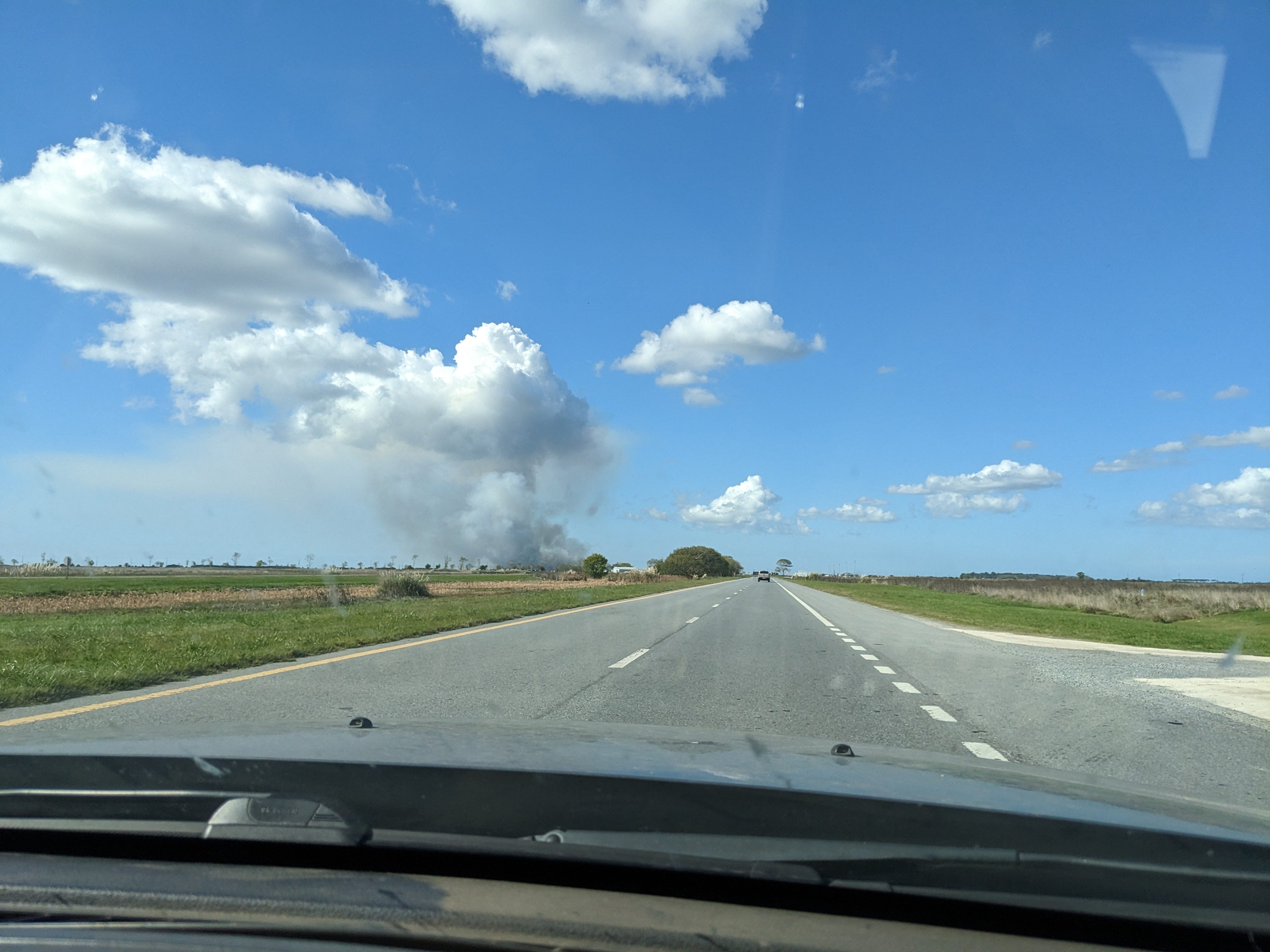
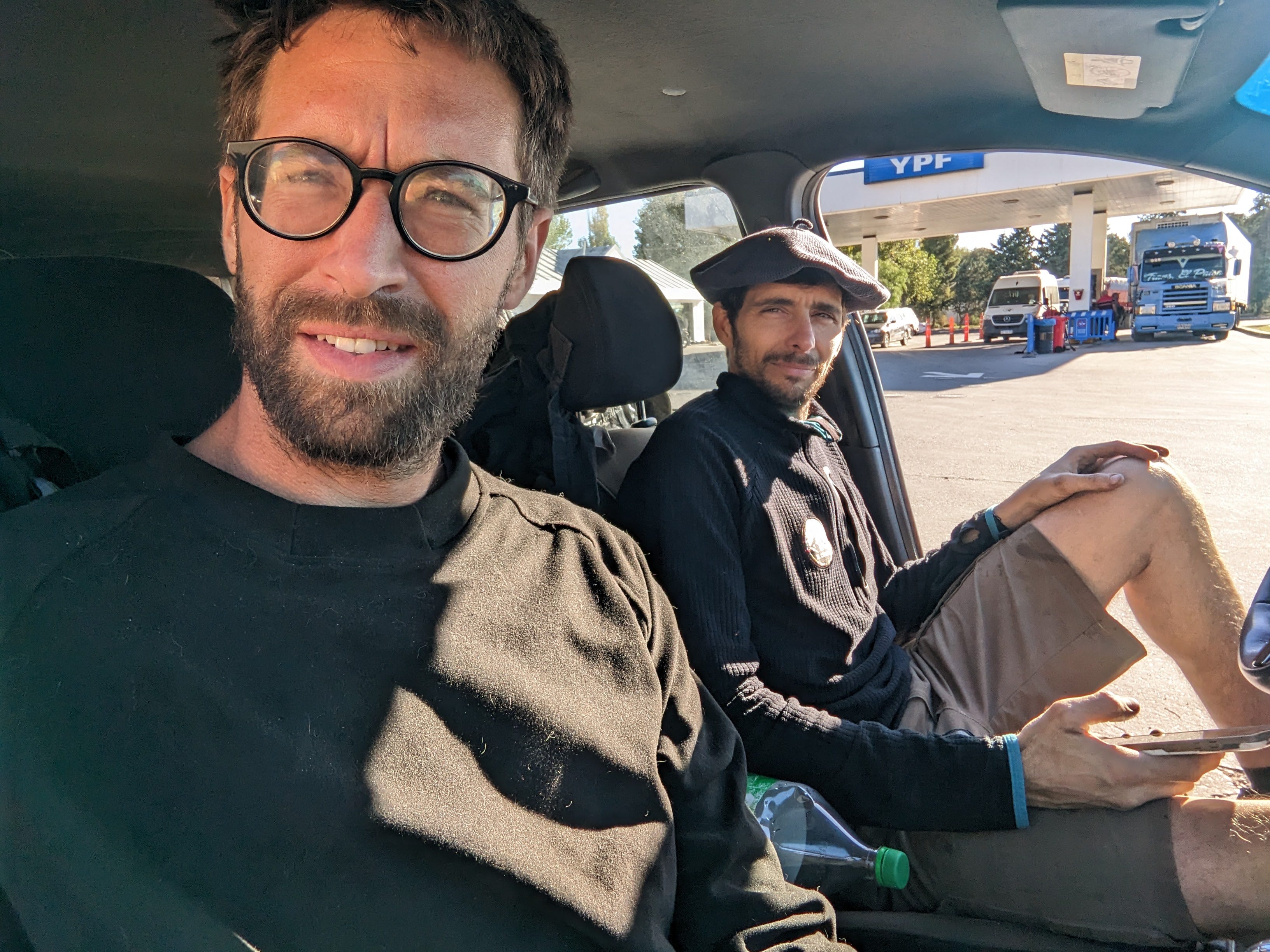
Toti was asleep in the passenger seat. We’d been moving for seventy-two hours straight.
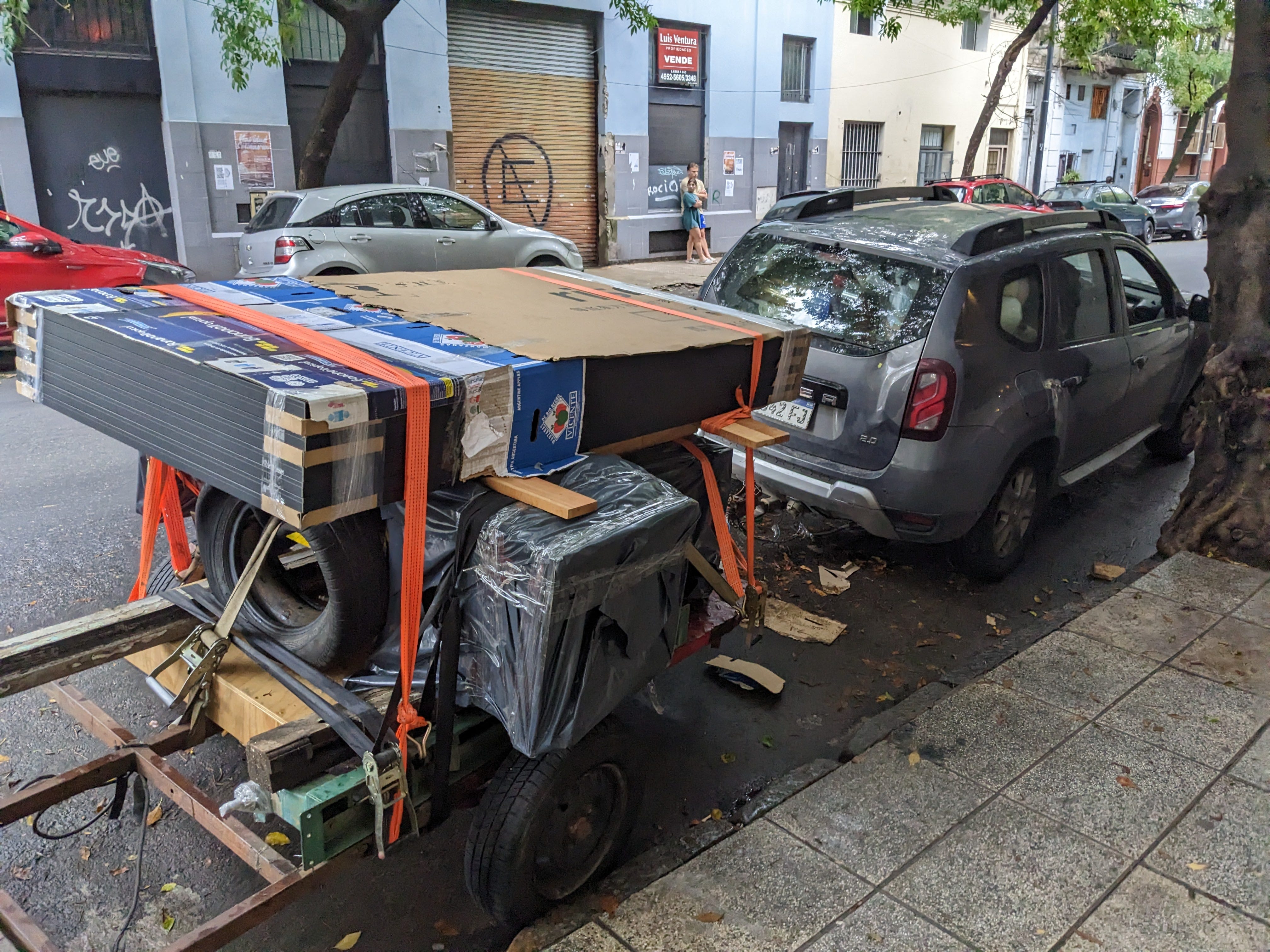
First his woodshop, everything he’d accumulated over more than twenty years, down three flights of stairs in Buenos Aires. Then onto the road, three hours south to his sister’s place by the sea. Fine, rare woods, milled and stacked into banana-box lengths, packed tight like firewood. Not many people in the city were willing to pay what they were worth. So instead of flooding a tight market at a discount, he gave them away, to keep his sister’s house warm
.
I didn’t think much of the police checkpoint as we approached. They’re everywhere. The officer waved me to the shoulder. A twenty-minute conversation. A greasy palm. A quiet explanation of how to avoid the next ones.
We kept driving
.
The police here aren’t paid enough. So they’ve built their own system of taxation. It’s informal, human, and uneven. If you have a little money, you pass. If you don’t, things get harder.
On rural roads, our trailer might have gone unnoticed. But on a national throughway, with half-working taillights dangling loose, we didn’t stand a chance.
It was my first reminder. We were crossing between economies.
--
-
Buenos Aires had worn me down.
I was well taken care of, Alan and Laila had me in the top floor of their building, overlooking the river. Fog in the mornings, boats drifting through it, long quiet sunrises. It was beautiful. But I moved through the city with a constant edge. Always in transit. Ubers, subtes, errands. Acquiring components for the solar system Alan was helping me design.
He’s an electrician. He walked me through everything, battery sizing, panel selection, load calculations. What I’d actually need to run a property off-grid at Río Azul. It was productive. Necessary.
But the pace never let up.
Every city I’ve spent time in carries the same undercurrent. Speed without grounding. Movement without connection. You can be surrounded by people and still feel completely alone.
I was there for a reason. Tools. Solar equipment. Setting up the foundation for something in El Bolsón.
Still, the whole time, I felt the pull to leave.
---


Joaquin tried to get me out to the delta before I left, the hidden edges outside the city. But I was too locked into the task list. We ended up carrying wood instead. Up stairs. Down stairs. Loading, unloading.
At dinner, he told me about a documentary he’s working on. Something about humanity, how people organize, what sustains them. I didn’t think much of it at the time. But the idea stayed lit somewhere in the background.
---
The drive back south took twenty-seven hours.
We avoided the main roads that passed through towns after the first checkpoint, thats where the next check points would be. Backroads instead. Fewer questions, fewer hands out. The cost was fatigue.
But it gave us time.
Toti and I talked the whole way, about work, about wood, about what was happening in the places we cared about.
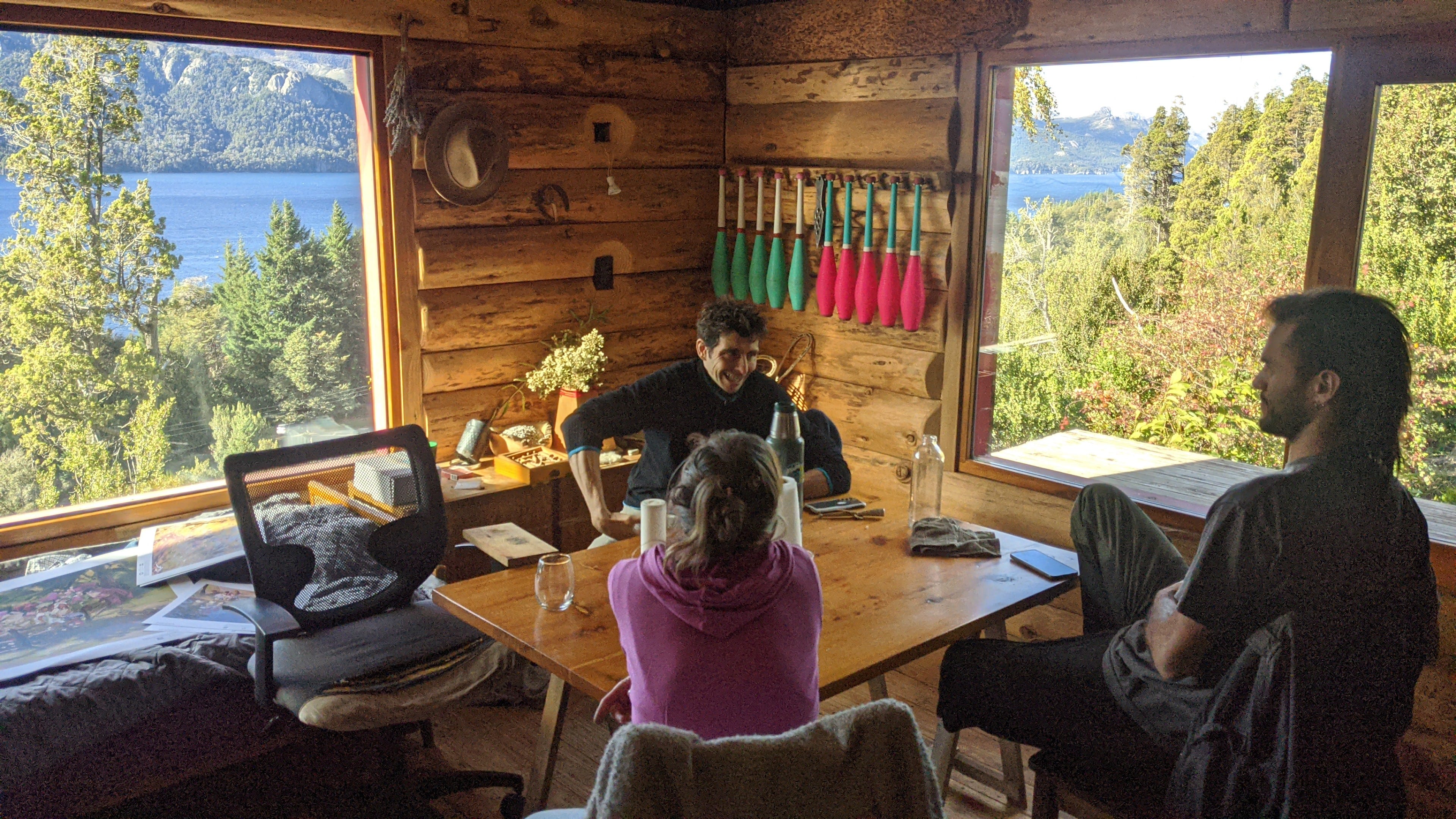
By the time we reached Villa Traful, we were wrecked. We ate pizza with Diego, who looks after Toti’s place on the hill, and went straight to sleep.
The next morning, over cold leftovers, something clicked
.
---
They’re paving the road into Villa Traful.
It will bring more people. More access. More development. The kind that comes fast and doesn’t ask many questions.
I’ve seen what that turns into.
Industrial tourism. Like industrial agriculture. Efficient. Scalable. Profitable, for a few. But it strips something out of the place itself.
Toti had another idea.
He’s spent decades working with wood. Not just cutting it, understanding it. Seeing what’s hidden in a tree. Grain, tension, character. Knowing where to cut, how to mill, how to reveal something that most people would miss.
The cypress around Traful is exceptional. The kind instrument makers search for. But you don’t harvest that at scale. You select it. Carefully. One tree at a time.
His idea wasn’t to grow bigger. It was to go deeper.
Build a space around that craft. Selection, milling, teaching. Bring people who care about the material, the process. Not tourists passing through for a photo, but people who want to understand what they’re looking at.
Something slower. More durable. A culture, not an industry.
---
On the drive back, I sent Joaquin a voice message trying to explain it. The tension between what’s coming and what could be built instead.
He sent something back that clarified it.
He called them “power cells.”
Right now, most power sits in large systems, corporations, institutions. They’re optimized for efficiency. They move resources well. But they don’t necessarily nourish the people inside them.
A power cell in the sense that I understood it from Joaquin is smaller. Localized. It creates and holds value in the same place. Decisions are made by the people who live there. It’s not just economic, it’s social, cultural, practical.
Mass tourism is a power cell. But it’s external. The decisions are made elsewhere. The profits leave. Locals plug into it as labor.
That’s how brain drain happens.
It’s not just that people leave. It’s that the system requires them to. The real opportunities exist somewhere else.
But if a place builds its own power cell, something specific, something rooted, it changes the equation.
People stay because there’s something worth staying for.
When I got back to Río Azul, I felt off.
The city had left a residue. Too much friction. It made me question things, about people, about where things are going.
Then Remigio showed up.
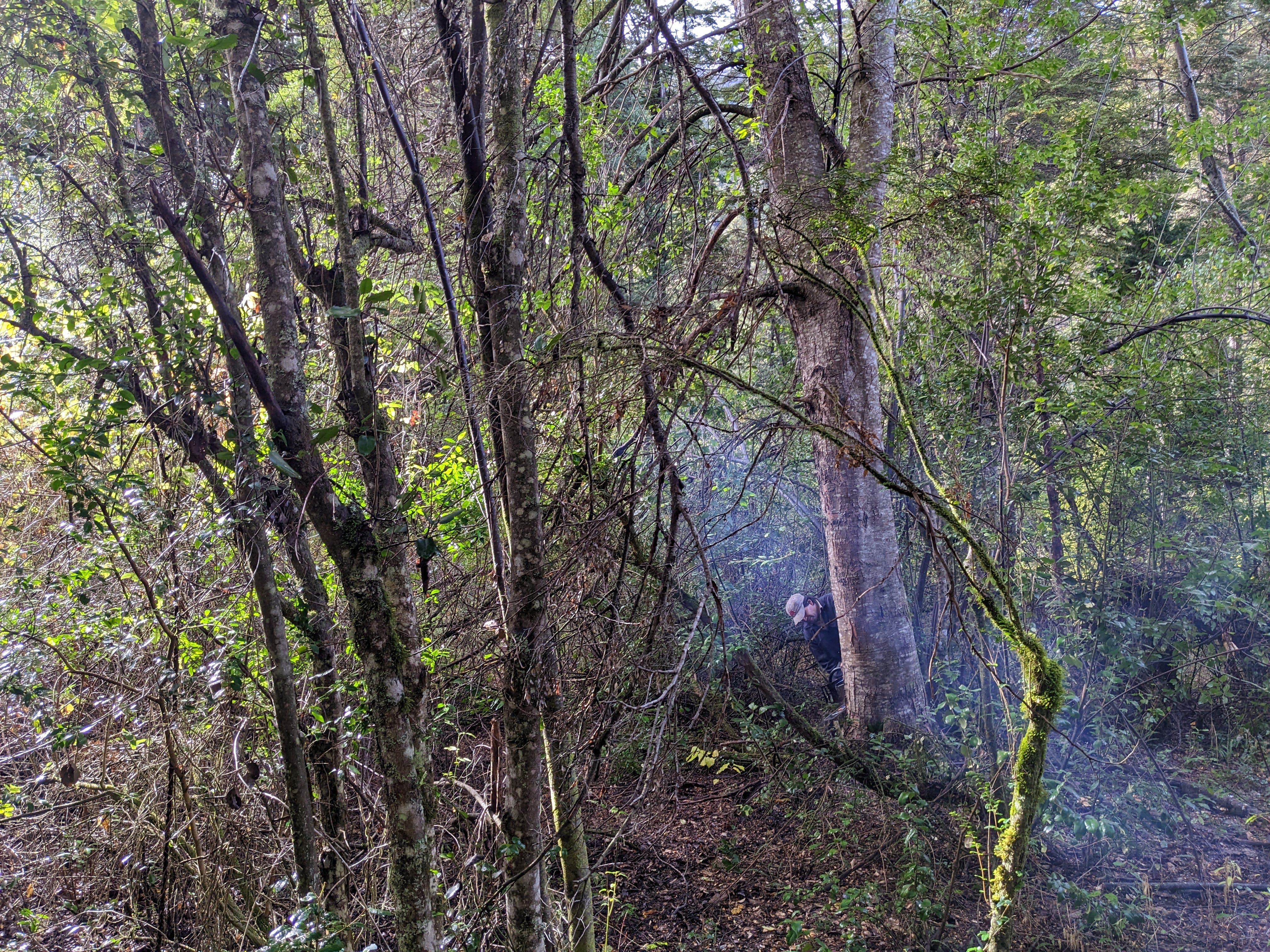
He’s a friend of Tuei’s. Grew up in a small town nearby. A gaucho in the real sense, someone shaped by land, animals, tools. Quiet, capable, steady.
We had a job. Clear a stand of coihue trees blocking the sun from the house.
Big trees. Sixty centimeters across, some more. Fast-growing, dominant, crowding everything else out.
We made a simple agreement. I’d help. He’d lead.
Watching him work reset something.
He handled a heavy chainsaw like it weighed nothing. No wasted movement. No hesitation. Just a steady rhythm, cut, step back, read the tree, adjust.
Before each one, he’d ask,
“How do you think we should take it?”
We’d talk it through. Angles, lean, escape path. Then he’d start the saw. Ten minutes later the tree would be on the ground, almost exactly where we’d planned.
The sound stayed with me, the deep, consistent pull of the engine, the crack as the fibers gave way, the pause before the fall.
We did twelve trees in two days.
At the end, Tuei asked what we owed him.
He said $120.
Not because he couldn’t ask for more. Because that’s what felt fair to him.
But that wasn’t the full exchange.
Tuei will lend him her vehicle when he needs it. I’ll help build furniture for his house with the tools Toti gave me. He’ll come back when we need more work done.
No one tracks it precisely.
It balances over time.
Before leaving Buenos Aires, I’d tried to pay Joaquin for helping us move.
He messaged me later:
“Tim, if I have time, I want to help my friends. I appreciate the money. But real friendship is helping each other with time and sweat.”
That’s the system.
Not barter. Not charity. Something older.
Reciprocity.
You show up when it matters. You give what you can. You trust it comes back around, not immediately, not evenly, but reliably.
That’s what a power cell looks like on the ground. A decentralized network operating outside the normal system.
Remigio’s capability. Joaquin’s willingness. Toti’s accumulated skill. Tuei’s land and tools. My time and vision.
That’s wealth.
---
The sauna business is where I test this.
El Bolsón isn’t going to win at mass tourism. It’s too remote, too cold, too understated compared to places nearby.
But it has something else.
Good timber. Skilled hands. Young people deciding whether to stay or leave. A climate where heat matters. And a culture that still respects things made well.
Saunas fit here.
They’re hard to mass-produce properly. They require knowledge, wood, heat, structure. They’re physical. Local. Specific.
We build them from what’s here. Train people who are here. Sell to people who understand their value; locals, travelers, transplants, anyone looking for relief from winter, from their own internal world, or from the pace of the city.
It’s not a massive opportunity.
It’s a contained one.
Enough to support a few people well. Enough to keep skill in place. Enough to give someone a reason not to leave.
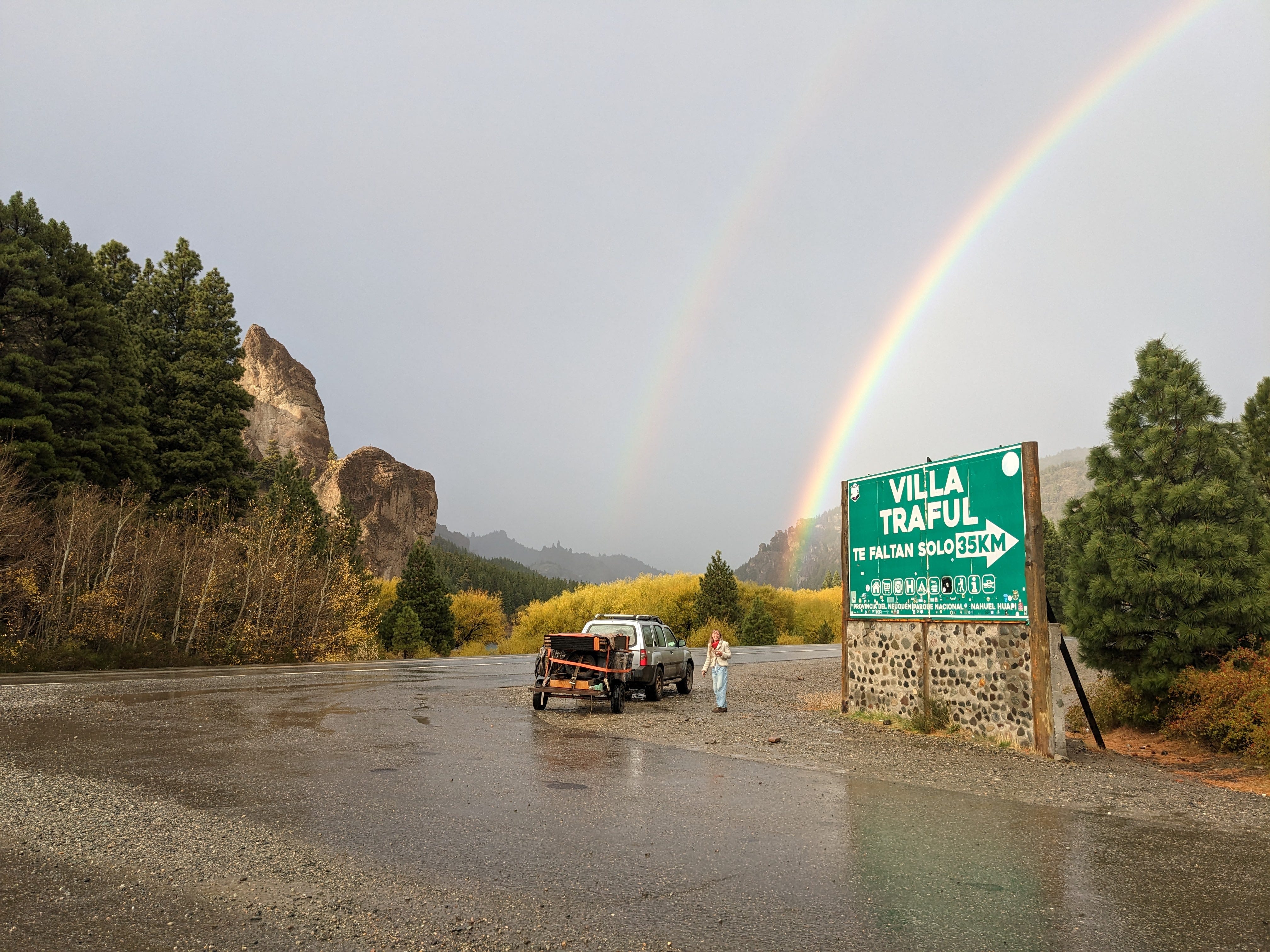
Every place has something like this.
Not saunas. Not cypress. But something.
The question isn’t how to convince people to stay.
It’s whether there’s anything worth staying for.
And whether that thing can be built before it gets replaced by something larger, faster, and less rooted.
---
I left those days with Remigio with a different kind of clarity.
I want him to build his house well. I want to help where I can. I want the network around us to get stronger, not just financially, but practically.
Less dependence on distant systems. More capacity close to home.
That’s the work.
Not preserving rural life as an idea.
Building it into something that functions.
The saunas are just the beginning.
Until we share the next horizon, Tim.
Your ability to express in words such complex feelings is remarkable. I enjoyed every word and honestly felt like I was sitting in that car, watching those trees fall. But shouldn’t you be warning gloves for that sort of work?
What you are trying to “Grow” in your appreciation of the land and her people is human awareness (Spiritual Awakening).
Often witnessing someone else’s culture/way of life… Sparks awareness that there are different options in how one lives life… which isn’t as self-obvious as one would think.
So as you are creating your stage/showcase… try to sculpt into it what is behind all of it… expanded (awakened) Spiritual Consciousness (conscious contact)
Too many are attracted to one pole or the other in human existence… the middle is not becoming polarized between the two… but to ride /stand/surf those currents.
Good luck old friend .